Introduction
In today's busy world, the ability to think entrepreneurially is more important than ever. The landscape of organization and development is constantly evolving, making it vital that instructional systems adjust to prepare trainees for these challenges. Bringing Real-World Challenges into the Class to Inspire Entrepreneurial Thinking serves not just as an assisting concept however likewise as a strategic approach to cultivate creativity, crucial thinking, and problem-solving abilities among trainees.
Entrepreneurial education is not simply about starting companies; it encompasses a wider range of skills and mindsets that enable people to navigate unpredictability and take chances. This post checks out how reliable entrepreneurship education can be integrated into classrooms, highlighting proven pedagogies, experiential knowing, mentorship, and effective case studies.
Why Fantastic Business owners Often Come from Great Classrooms: The Impact of Reliable Entrepreneurship Education
Great entrepreneurs frequently emerge from environments that support innovative thinking and durability. Educational institutions play a critical role in forming such environments through effective entrepreneurship education. This section looks into the parts that make entrepreneurial classrooms thrive.
The Structure of Entrepreneurial Education
Curriculum Design: A well-structured curriculum concentrated on real-world applications helps students connect theory with practice. Skill Development: Emphasizing vital abilities such as management, financial literacy, and teamwork prepares trainees for entrepreneurial ventures. Cultural Mindset: Fostering a culture that accepts failure as a learning chance encourages trainees to take calculated risks.Case Studies of Successful Programs
Across different educational institutions worldwide, there are various examples of programs that master mentor entrepreneurial thinking:
- Stanford University's d.school: Known for its emphasis on style thinking and innovation. Babson College: Prominent for its focus on entrepreneurship throughout all disciplines.
These programs demonstrate how incorporating entrepreneurship into the educational structure results in tangible results-- trainees who are ready to tackle real-world obstacles head-on.
Proven Pedagogies: What Research States About Teaching the Entrepreneurial Mindset and Skillset
Research indicates that specific pedagogical methods considerably boost entrepreneurial knowing experiences. top entrepreneurship professor Tucson
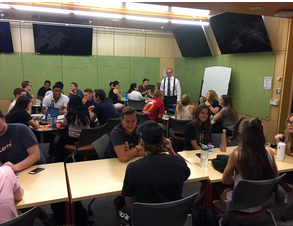
Active Learning Techniques
Active learning involves appealing students straight in the instructor for college entrepreneurship Tucson process of discovering through activities that promote analysis, synthesis, and assessment of class content.
Collaborative Projects: Motivating group work fosters team effort and cumulative problem-solving. Problem-Based Knowing (PBL): Trainees tackle real-world issues which enhances important believing skills.Inquiry-Based Learning
This method promotes interest by encouraging students to ask questions and look for responses independently or collaboratively.
- How does inquiry-based learning cultivate an entrepreneurial mindset? By empowering students to check out solutions instead of just supplying them with information.
Integrating Innovation in Education
The usage of technology in class offers access to resources that enhance entrepreneurial education:
Online Simulations: Platforms like BizOps enable students to run virtual companies. Digital Cooperation Tools: Tools such as Trello or Slack help with project management amongst teams.Beyond the Lecture: How Experiential Knowing, Mentorship, and Startup Labs Drive Genuine Outcomes
Experiential learning emphasizes the value of "learning by doing." In this context, mentorship and start-up laboratories work as essential components in developing entrepreneurial capabilities within students.
Experiential Learning Defined
Experiential learning allows trainees to use their knowledge in useful settings. This might involve internships or hands-on projects with genuine businesses dealing with real challenges.
Benefits of Experiential Learning
- Enhances retention rates by linking theory with practice. Develops soft skills like interaction and flexibility that are important for entrepreneurs.
The Function of Mentorship
Mentorship bridges the space in between theoretical understanding and useful application:
Connecting Trainees with Industry Experts: Coaches offer vital insights into present market trends. Encouragement Beyond Academia: Mentors influence self-confidence by sharing their own entrepreneurial journeys.Startup Labs in Education
Startup laboratories serve as incubators where trainee concepts can grow:
- They offer resources like moneying chances, work space, and networking events.
Teaching Innovation with Intent: Success Stories from Classrooms That Introduce Genuine Ventures
Innovation is at the heart of entrepreneurship education; however, it needs deliberate mentor techniques paired with robust assistance systems.
Curriculum Innovations That Propel Student Ventures
Several institutions have actually successfully executed ingenious curricula created specifically for aspiring entrepreneurs:
University of Michigan's Center for Entrepreneurship deals courses where groups work on funded tasks from creation to launch. Harvard Company School's FIELD Worldwide Immersion, where trainees engage with startups around the globe.
Real Ventures Emerging from Classrooms
Real-world success stories act as powerful incentives for present students:
- For instance, some alumni have gone on to produce multi-million dollar start-ups after taking part in university-led efforts during their studies.
From Knowing to Introduce: Assessing Entrepreneurial Preparedness Through Genuine Outcome-Based Evaluation
To measure success effectively within an entrepreneurship program, it's crucial to execute outcome-based assessments tailored toward assessing entrepreneurial readiness.
What Does Entrepreneurial Readiness Entail?
Entrepreneurial readiness can be examined through several metrics including:
Business Plan Advancement Skills Adaptability in Problem Solving Networking AbilitiesImplementing Authentic Assessments
Authentic evaluations mirror real-world tasks therefore examining appropriate proficiencies:
- Creating pitch decks, Developing marketing methods,
These evaluations guarantee that trainees are not just absorbing details but likewise applying it meaningfully-- preparing them for future endeavors in company or other fields requiring innovative thought processes.
Conclusion
In conclusion, bringing real-world difficulties into the classroom acts as a motivating structure for cultivating entrepreneurial thinking among students. As we've checked out throughout this article, efficient entrepreneurship education depends upon active engagement through experiential learning methods such as mentorship programs and startup laboratories while being backed by ingenious curricula customized towards launching genuine ventures.
By focusing on authentic outcome-based evaluations together with proven pedagogies originated from research findings-- teachers can improve both skillsets and state of minds necessary for tomorrow's leaders in service innovation!
FAQs
What is suggested by 'entrepreneurial frame of mind'?- An entrepreneurial frame of mind describes a method of believing that enables individuals to recognize opportunities creatively and persuasively while remaining resistant versus prospective failures.
- Teachers can execute experiential knowing by incorporating hands-on projects related directly to industry difficulties or organizing internships where practical experience can be gotten firsthand.
- Mentorship programs connect aspiring business owners with seasoned professionals who provide assistance based on their experiences; they assist bridge theoretical understanding with practical implementation effectively!
- Technology helps with access to resources required for research & & collaboration making it possible for students engaged within a significantly digital economy-- preparing them better than traditional techniques alone would allow!
- Yes! Numerous universities report alumni building successful startups post-graduation after getting involved actively within incubator-like environments throughout their scholastic careers!
- Best practices consist of utilizing genuine assessments matching sensible jobs anticipated within start-up communities; these might include crafting company strategies or conducting market analyses before providing concepts formally!